 Business License
Types of Artificial Turf Infill Explained | Complete Guide by VitaGrass
Types of Artificial Turf Infill Explained
Artificial turf infill is one of the most important components of a synthetic grass system. While many people focus on the appearance of the turf, the infill underneath directly affects player safety, ball performance, drainage, durability, and maintenance costs.
Whether you're building a football field, multi-sports facility, playground, or landscaping project, choosing the right artificial turf infill can significantly improve the long-term performance of your investment.
In this guide, we'll explain the most common types of artificial turf infill, their advantages, disadvantages, and how to select the best option for your project.
What Is Artificial Turf Infill?
Artificial turf infill is the material spread between the synthetic grass fibers after installation.
Its main functions include:
Holding the grass fibers upright
Providing cushioning for athletes
Improving ball bounce and roll
Increasing turf stability
Protecting fibers from wear
Enhancing drainage
Extending the lifespan of the artificial turf
Different applications require different infill materials.
Why Is Infill Important?
A quality infill system offers numerous benefits:
Better shock absorption
More natural playing experience
Improved traction
Reduced player fatigue
Enhanced drainage performance
UV protection for grass fibers
Longer product lifespan
Better overall field performance
Without proper infill, artificial turf can flatten quickly and lose much of its performance.
1. Silica Sand Infill
Silica sand is one of the most widely used infill materials around the world.
Advantages
Affordable
Excellent stability
Good drainage
UV resistant
Helps grass fibers stay upright
Suitable for sports and landscaping
Disadvantages
Adds weight to the turf
Provides limited cushioning
Can become compacted over time
Best Applications
Football fields
Landscaping
Multi-purpose sports fields
2. SBR Rubber Infill
SBR (Styrene-Butadiene Rubber) is made from recycled vehicle tires and remains one of the most common sports turf infills.
Advantages
Excellent shock absorption
Good player comfort
Affordable
Durable
Widely available
Disadvantages
Can become hot under direct sunlight
Black color absorbs heat
Some projects prefer alternative materials for environmental reasons
Best Applications
Football fields
Rugby
Multi-sport facilities
3. EPDM Rubber Infill
EPDM is a premium synthetic rubber designed specifically for sports surfaces.
Advantages
Excellent elasticity
UV resistant
Color options available
Lower surface temperature than SBR
Long service life
Disadvantages
Higher cost
More suitable for premium sports facilities
Best Applications
FIFA-standard football fields
Professional sports complexes
Schools
Training centers
4. TPE Infill
Thermoplastic Elastomer (TPE) is becoming increasingly popular due to its recyclability and consistent performance.
Advantages
Recyclable
Soft feel
Stable performance
Lower odor
Good weather resistance
Disadvantages
Higher initial investment
Less commonly available in some regions
Best Applications
Professional football fields
Community sports facilities
Premium sports projects
5. Cork Infill
Cork is a natural and sustainable infill material made from cork oak bark.
Advantages
Environmentally friendly
Lower surface temperature
Lightweight
Renewable material
Comfortable for players
Disadvantages
Higher price
May require periodic replenishment
Lightweight particles can move during heavy rain or strong winds
Best Applications
Eco-friendly sports fields
Premium football projects
Schools
6. Organic Infill
Organic infill includes materials such as coconut fibers, olive pits, walnut shells, or specially blended natural materials.
Advantages
Sustainable
Lower heat retention
Natural appearance
Reduced environmental impact
Disadvantages
Requires more maintenance
May decompose over time
Usually more expensive
Best Applications
Green building projects
Schools
Public sports facilities
7. Non-Infill Artificial Turf
Modern non-infill football turf uses specially engineered yarn structures instead of loose infill materials.
Advantages
Minimal maintenance
No rubber migration
Cleaner surface
Faster installation
Lower maintenance costs
Disadvantages
Not suitable for every sport
Product design is critical for performance
Best Applications
Small football pitches
Training fields
Recreational sports
Schools
VitaGrass offers advanced non-infill football artificial grass designed for excellent durability and consistent playing performance.
Comparison of Artificial Turf Infill Types
| Infill Type | Comfort | Durability | Cost | Heat Resistance | Eco-Friendly |
|---|---|---|---|---|---|
| Silica Sand | ★★★☆☆ | ★★★★★ | Low | ★★★★☆ | ★★★☆☆ |
| SBR Rubber | ★★★★★ | ★★★★★ | Low | ★★☆☆☆ | ★★☆☆☆ |
| EPDM | ★★★★★ | ★★★★★ | High | ★★★★☆ | ★★★★☆ |
| TPE | ★★★★★ | ★★★★★ | High | ★★★★☆ | ★★★★★ |
| Cork | ★★★★☆ | ★★★☆☆ | High | ★★★★★ | ★★★★★ |
| Organic | ★★★★☆ | ★★★☆☆ | High | ★★★★★ | ★★★★★ |
| Non-Infill | ★★★★☆ | ★★★★★ | Medium | ★★★★★ | ★★★★★ |
How to Choose the Right Artificial Turf Infill
When selecting an infill system, consider the following factors:
Project Type
Professional football stadium
Community sports field
School playground
Landscaping
Training facility
Climate
High-temperature regions may benefit from cork, organic infill, or non-infill systems that reduce heat buildup.
Budget
Silica sand and SBR provide excellent value, while EPDM and TPE offer premium performance.
Maintenance
If you prefer lower maintenance, non-infill artificial turf may be the ideal solution.
Performance Requirements
Competitive sports typically require advanced infill systems for optimal player safety and consistent ball behavior.
Why Choose VitaGrass Artificial Turf?
At VitaGrass, we provide complete artificial turf solutions tailored to different climates, sports, and project requirements.
Our advantages include:
Professional football turf systems
Premium landscaping grass
Non-infill football turf technology
Multiple infill options
FIFA-inspired product designs
Excellent UV resistance
Durable backing systems
OEM & ODM manufacturing
Global export experience
Technical installation support
Whether you need a cost-effective sports field or a premium football pitch, VitaGrass can recommend the most suitable artificial turf and infill combination for your project.
Frequently Asked Questions (FAQs)
Which artificial turf infill is best for football fields?
For professional football fields, EPDM, TPE, or a combination of silica sand and rubber infill provides excellent performance. For recreational pitches, SBR remains a cost-effective and widely used option.
Is non-infill artificial turf better?
Non-infill systems are an excellent choice for training fields, schools, and recreational football because they require less maintenance and eliminate loose infill. However, the best option depends on your performance requirements and budget.
Does artificial turf always require infill?
No. While most sports turf systems use infill to improve stability and performance, specially engineered non-infill artificial turf is designed to perform effectively without loose infill.
Which infill stays coolest in hot weather?
Natural materials like cork and organic infill generally remain cooler than rubber-based infills. Non-infill systems can also help reduce surface heat compared with traditional rubber-filled fields.
Conclusion
Understanding the different types of artificial turf infill is essential for creating a safe, durable, and high-performing synthetic grass system. From cost-effective silica sand and SBR rubber to premium EPDM, TPE, cork, and innovative non-infill solutions, each option offers unique benefits depending on your project goals.
At VitaGrass, we help customers worldwide select the ideal combination of artificial turf and infill to maximize performance, longevity, and value. Whether you're building a professional football stadium, a school playground, or a landscaping project, our expert team can provide the right solution tailored to your needs.
Recently Posted
-
Artificial Football Field Project in Kenya | Premium Synthetic Turf by VITAGRASS
August 5, 20267-a-side Artificial Football Field Project in KenyaAs football continues to grow in popularity across Kenya, the demand for high-q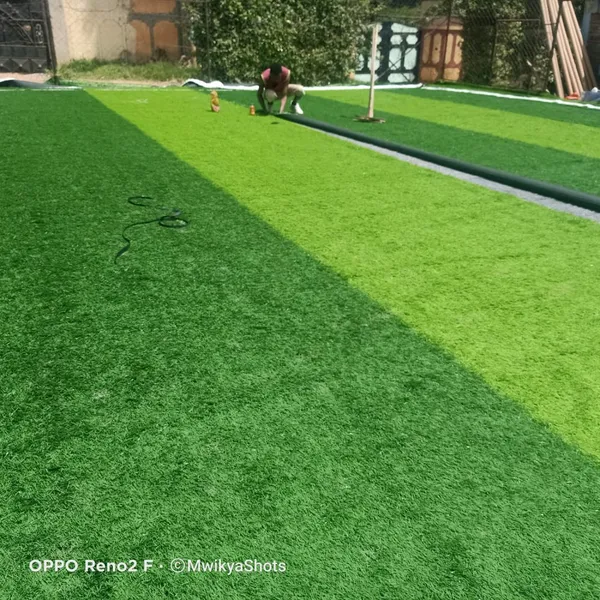 Read More
 -
Advantages of Artificial Turf for Sports Fields | Durable Sports Turf Solutions | VITAGRASS
July 28, 2026Advantages of Artificial Turf for Sports FieldsAs the demand for high-quality sports facilities continues to grow, artificial turf Read More
 -
How Much Does an Artificial Football Field Cost?
July 21, 2026How Much Does an Artificial Football Field Cost?Building an artificial football field is a long-term investment that offers years Read More
 -
How Long Does Artificial Turf Last? A Complete Guide to Lifespan, Maintenance, and Value
July 16, 2026How Long Does Artificial Turf Last?Artificial turf has become one of the most popular alternatives to natural grass for football f Read More

Contact Us
Recommended Products
-
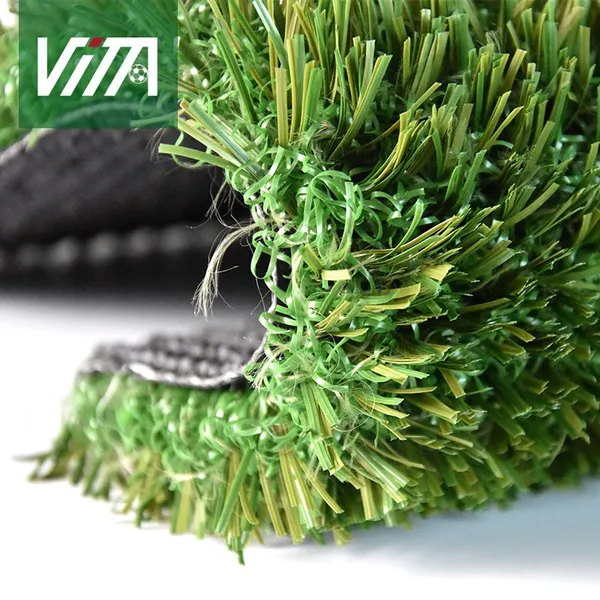
 Colorful Artificial Grass for Playground & Landscape | VITAGRASS China ManufacturerUS$ 6.5 - 6.8MOQ: 500 Square Meters
 -
VITAGRASS Premium 30mm Non Infill Soccer Artificial Turf for Football PitchUS$ 8.5MOQ: 500 Square Meters
-
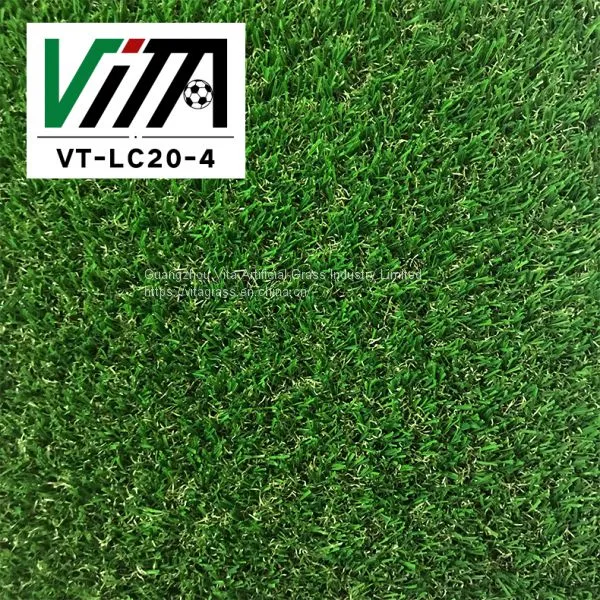
20mm Synthetic Floor Carpet Home Garden Artificial Grass VT-LC20-4US$ 6.5 - 6.8MOQ: 500 Square Meters
-
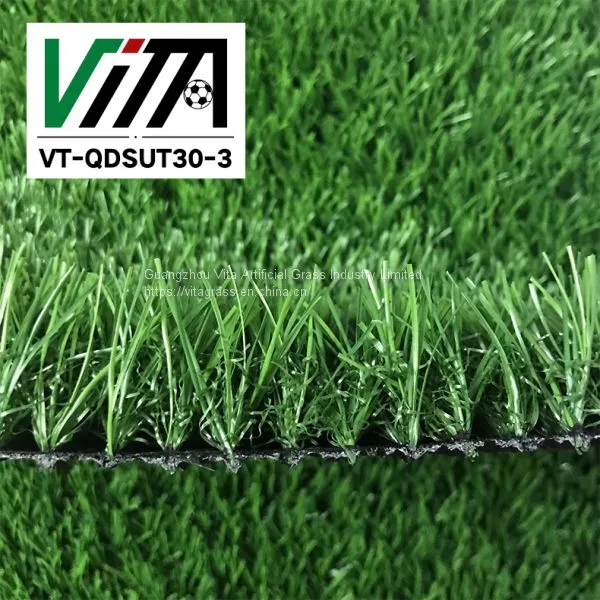
Artificial Grass 30mm Astro Garden Realistic Natural Turf Fake Lawn VT-QDSUT30-3US$ 6.8 - 7.5MOQ: 500 Square Meters
-
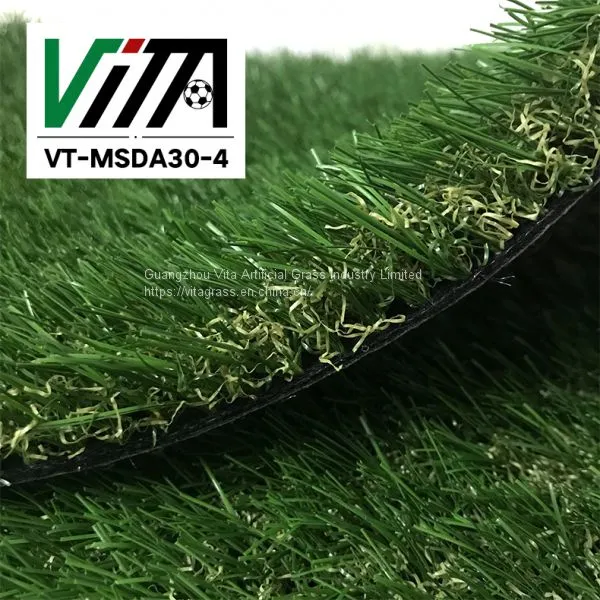
PP+PE Artificial Grass Waterproof Landscape Lawn for Home Garden Grass VT-MSDA30-4US$ 6.5 - 6.8MOQ: 500 Square Meters
-
VITAGRASS Colorful Artificial Grass Wholesale | UV Resistant Landscape Turf Factory in GuangzhouUS$ 6.5 - 6.8MOQ: 500 Square Meters
-
Padel Tennis Court Manufacturer Paddle Court Supplier Buy Panoramic Outdoor Padel Court Cancha De Padel FactoryNegotiableMOQ: 200 Square Meters
-
Vita Grass 50mm Professional Football Artificial Grass Synthetic Turf Soccer Fields Factory Direct Supply From GuangzhouNegotiableMOQ: 500 Square Meters
-
Guangzhou Manufacturer 30mm Non Infill Football Grass Synthetic Turf for Soccer PitchUS$ 8.5MOQ: 500 Square Meters
-
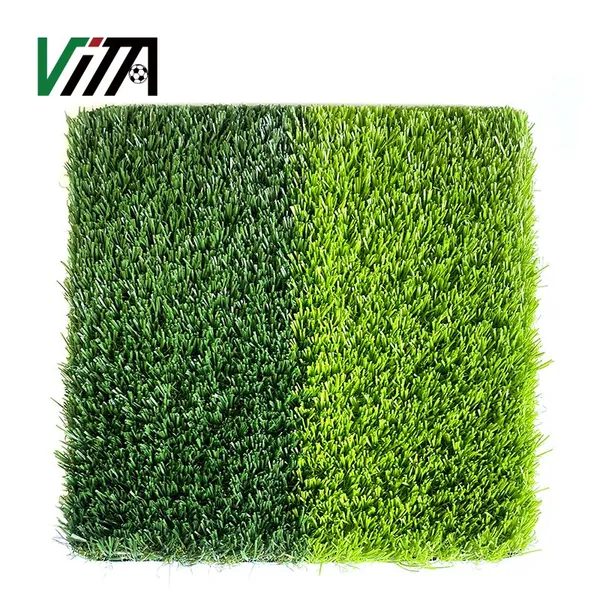
VITA GRASS 30mm Non Infill Football Artificial Grass | Soccer Turf Manufacturer in GuangzhouUS$ 10MOQ: 500 Square Meters
-
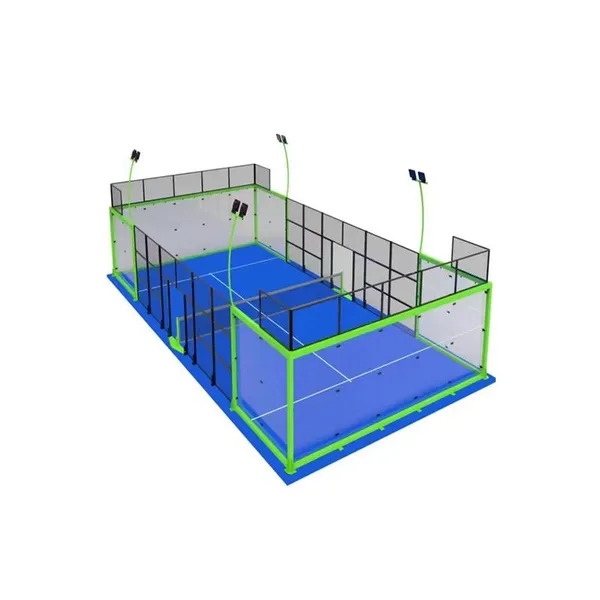
Padel Tennis Court Manufacturer Paddle Court Supplier Buy Panoramic Outdoor Padel Court Cancha De Padel FactoryNegotiableMOQ: 200 Square Meters
-
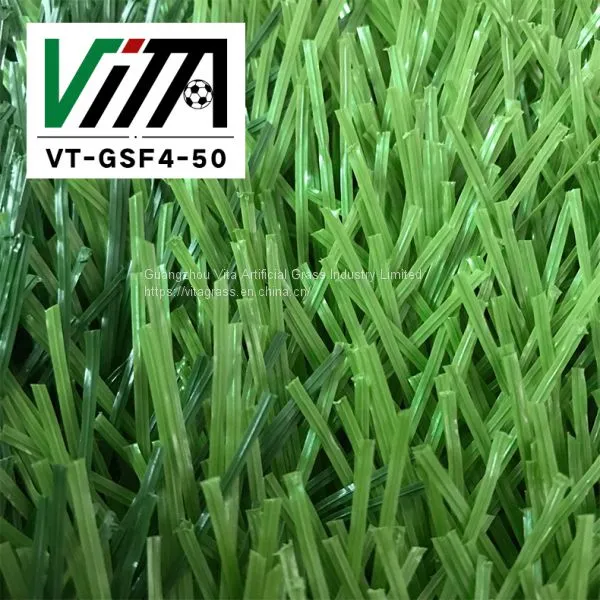
Cost-effective Football Field Artificial Grass Soccer Zacate Artificial VT-GSF4-50US$ 5.8 - 6.6MOQ: 500 Square Meters
-
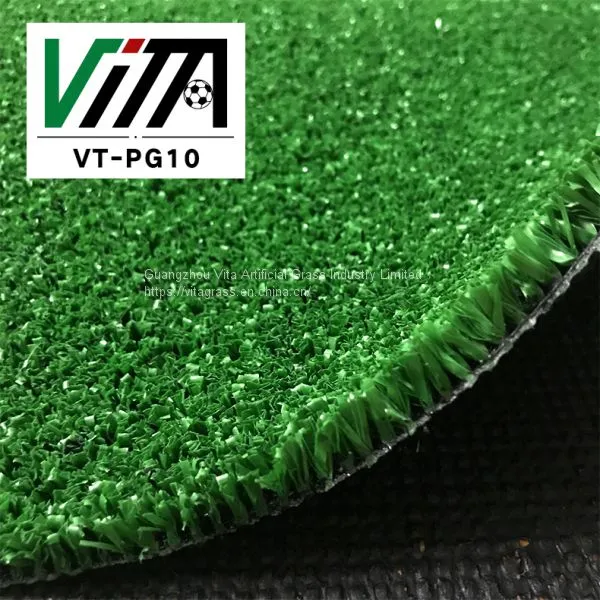
Good Quality Tennis Court Artificial Grass Guangzhou Vita Grass Factory VT-PG10US$ 7.5 - 7.8MOQ: 500 Square Meters
-
High Quality Long Life Soccer And Football Artificial Synthetic Grass VT-MST50US$ 7.2 - 7.5MOQ: 500 Square Meters
-
Vita Grass 50mm Infill Football Artificial Grass Synthetic Turf Soccer Fields in GuangzhouNegotiableMOQ: 500 Square Meters
-
Sand-free Synthetic Turf For Indoor Soccer Fields SGS/CE/ISO9001 VT-MCPRO30US$ 11 - 12MOQ: 500 Square Meters
-
Vita Non Infill Fake Grass Playground Artificial Turf Grass VT-BMTDS30US$ 13 - 15MOQ: 500 Square Meters
-
Five Man Size Football Pitch Artificial Turf /Soccer Synthetic Grass VT-GSF50US$ 6.8 - 7MOQ: 500 Square Meters
-
Vita Artificial Grass Holland Imported Yarn Soccer Field VT-MSTC25US$ 14 - 16MOQ: 500 Square Meters
-
3/8 Inch Green Landscaping Artificial Turf Fake Grass VT-QDSUT25-3US$ 6 - 6.5MOQ: 500 Square Meters