 Business License
How Long Does Artificial Turf Last? A Complete Guide to Lifespan, Maintenance, and Value
How Long Does Artificial Turf Last?
Artificial turf has become one of the most popular alternatives to natural grass for football fields, gardens, schools, commercial landscapes, and recreational facilities. One of the biggest questions buyers ask before purchasing is:
How long does artificial turf last?
The answer depends on several factors, including the quality of the materials, UV resistance, installation, maintenance, and usage frequency. High-quality artificial grass can last 8–15 years or even longer when properly maintained.
In this guide, we'll explain everything you need to know about artificial turf lifespan and how to maximize your investment.
Average Lifespan of Artificial Turf
The expected lifespan varies depending on the application.
| Application | Average Lifespan |
|---|---|
| Residential Landscape | 10–15 years |
| Commercial Landscape | 8–12 years |
| Football Fields | 8–10 years |
| Multi-purpose Sports Fields | 8–12 years |
| Playgrounds | 8–12 years |
| Golf Putting Greens | 10–15 years |
Premium artificial turf manufactured with high-quality PE yarn, durable backing, and UV stabilizers can maintain its appearance and performance for many years.
What Determines the Lifespan of Artificial Turf?
1. Yarn Quality
The quality of the grass yarn is one of the biggest factors affecting durability.
High-quality PE monofilament yarn offers:
Better wear resistance
Excellent recovery after foot traffic
Soft touch
Longer color retention
Premium yarns are designed to withstand heavy use without splitting or flattening quickly.
2. UV Resistance
Sunlight is one of the biggest challenges for outdoor artificial grass.
Low-quality turf may fade after only a few years.
Professional artificial turf uses advanced UV stabilizers that help maintain:
Green color
Yarn strength
Flexibility
Overall appearance
This is especially important in countries with strong sunlight such as Australia, New Zealand, the Middle East, Africa, and Southern Europe.
3. Backing System
A strong backing keeps the grass fibers securely in place.
High-quality backing systems include:
Latex backing
PU backing
PU backing generally provides:
Better dimensional stability
Stronger tuft lock
Higher water resistance
Longer service life
4. Installation Quality
Even premium turf can fail if installed incorrectly.
Proper installation includes:
Stable crushed stone base
Correct compaction
Efficient drainage
Secure joint seaming
Proper infill (for infill football turf)
A well-installed field experiences less movement, fewer wrinkles, and better long-term performance.
5. Maintenance
Artificial turf requires much less maintenance than natural grass, but regular care still extends its lifespan.
Recommended maintenance includes:
Removing leaves and debris
Brushing fibers regularly
Cleaning stains promptly
Checking seams periodically
Replenishing infill when necessary
Keeping drainage holes clear
Routine maintenance helps the turf stay clean, upright, and functional for many years.
Does Heavy Usage Reduce Turf Life?
Yes.
The more frequently a field is used, the faster it wears.
Typical examples include:
Professional football clubs
School playgrounds
Community sports centers
Public parks
High-traffic areas such as goal mouths, center circles, and entrances usually experience the most wear.
Using a high-density artificial turf together with a shock pad can improve durability and playing comfort.
Signs It's Time to Replace Artificial Turf
Although artificial turf lasts many years, eventually replacement becomes necessary.
Common signs include:
Excessive fiber wear
Noticeable color fading
Backing damage
Loose seams
Poor drainage
Reduced player safety
Flattened grass fibers that no longer recover
Replacing turf at the right time helps maintain safety and appearance.
How to Extend the Life of Artificial Turf
You can maximize your investment by following these simple practices:
Choose premium-quality artificial turf.
Install on a properly prepared foundation.
Select UV-resistant materials.
Perform routine maintenance.
Avoid dragging heavy equipment across the surface.
Use appropriate footwear for sports fields.
Install a shock pad for high-performance sports applications.
Proper care can add several years to the life of your artificial turf.
Why Choose VITAGRASS Artificial Turf?
At VITAGRASS, we manufacture high-quality artificial grass designed for long-term performance in a wide range of climates and applications.
Our advantages include:
Premium PE monofilament yarn
UV-resistant technology
Latex and PU backing options
Football, landscaping, golf, and multi-purpose turf
OEM & ODM manufacturing
Fast production and global export experience
Strict quality control throughout the manufacturing process
Whether you're building a football stadium, school playground, commercial landscape, or residential garden, VITAGRASS provides durable artificial turf solutions that deliver excellent value over their entire lifespan.
Frequently Asked Questions (FAQ)
Does artificial turf fade over time?
High-quality artificial turf with UV stabilizers resists fading for many years. Lower-quality products may lose color much sooner.
Can artificial turf last more than 15 years?
Yes. Residential landscaping turf with moderate use and proper maintenance can last over 15 years.
Does football turf wear out faster?
Generally yes. Football fields experience much heavier foot traffic than residential lawns, so their average lifespan is around 8–10 years depending on usage and maintenance.
Is PU backing more durable than latex backing?
PU backing generally offers stronger tuft binding, better moisture resistance, and longer-lasting performance, making it an excellent choice for demanding sports applications.
Conclusion
Artificial turf is a long-term investment that offers excellent durability, low maintenance, and year-round performance. While the average lifespan ranges from 8 to 15 years, choosing premium materials, ensuring professional installation, and following regular maintenance practices can significantly extend its service life.
If you're looking for reliable, UV-resistant, and long-lasting artificial grass, VITAGRASS offers professional turf solutions for football fields, landscaping, playgrounds, and commercial projects worldwide. Contact us today to learn more about our products and receive expert recommendations tailored to your project.
Recently Posted
-
Artificial Football Field Project in Kenya | Premium Synthetic Turf by VITAGRASS
August 5, 20267-a-side Artificial Football Field Project in KenyaAs football continues to grow in popularity across Kenya, the demand for high-q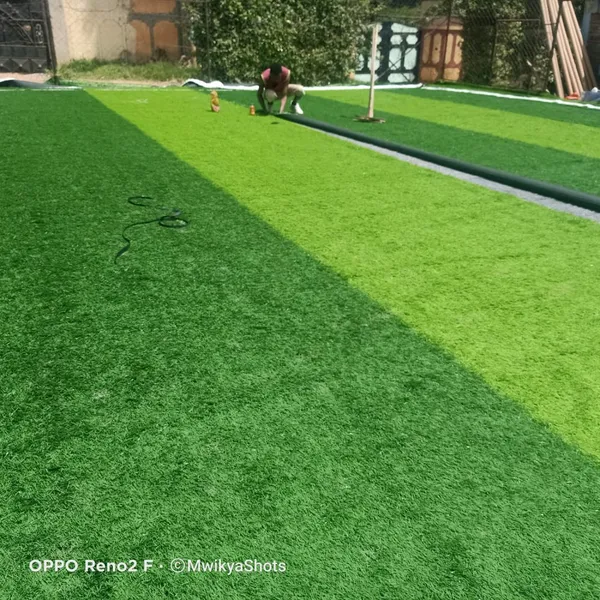 Read More
 -
Advantages of Artificial Turf for Sports Fields | Durable Sports Turf Solutions | VITAGRASS
July 28, 2026Advantages of Artificial Turf for Sports FieldsAs the demand for high-quality sports facilities continues to grow, artificial turf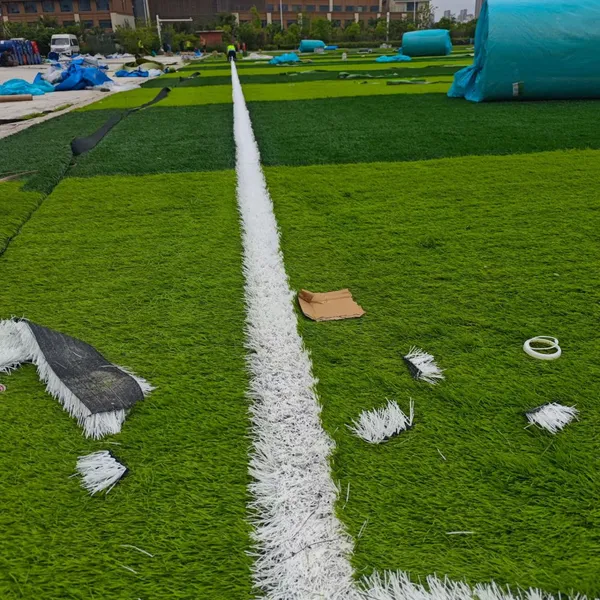 Read More
 -
How Much Does an Artificial Football Field Cost?
July 21, 2026How Much Does an Artificial Football Field Cost?Building an artificial football field is a long-term investment that offers years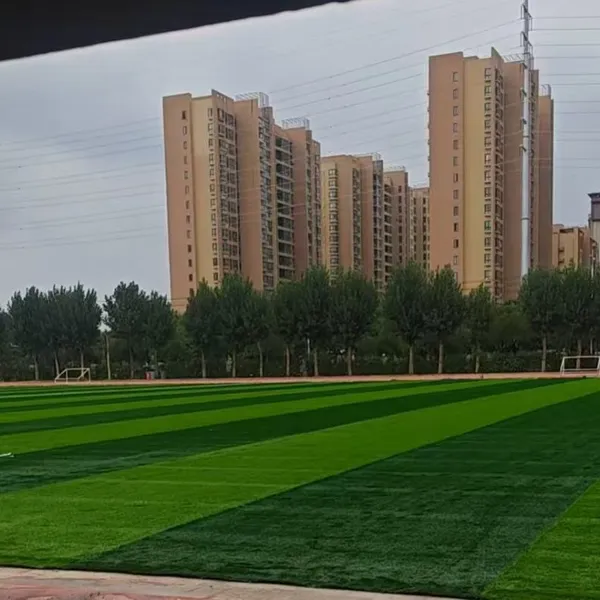 Read More
 -
School Football Field Artificial Turf Project: A Complete Guide for Safe, Durable & High-Performance
July 8, 2026School Football Field Artificial Turf Project: Building Safe and Long-Lasting Sports FacilitiesSchool football fields play an impo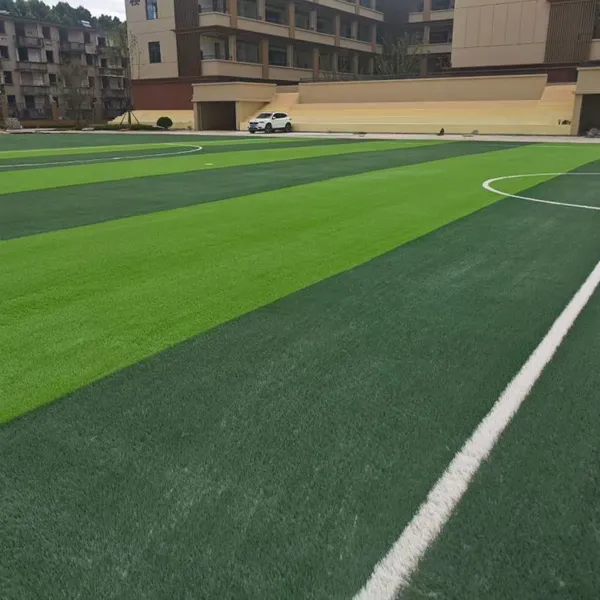 Read More

Contact Us
Recommended Products
-
 Colorful Artificial Grass for Playground & Landscape | VITAGRASS China ManufacturerUS$ 6.5 - 6.8MOQ: 500 Square Meters
 -
VITAGRASS Premium 30mm Non Infill Soccer Artificial Turf for Football PitchUS$ 8.5MOQ: 500 Square Meters
-
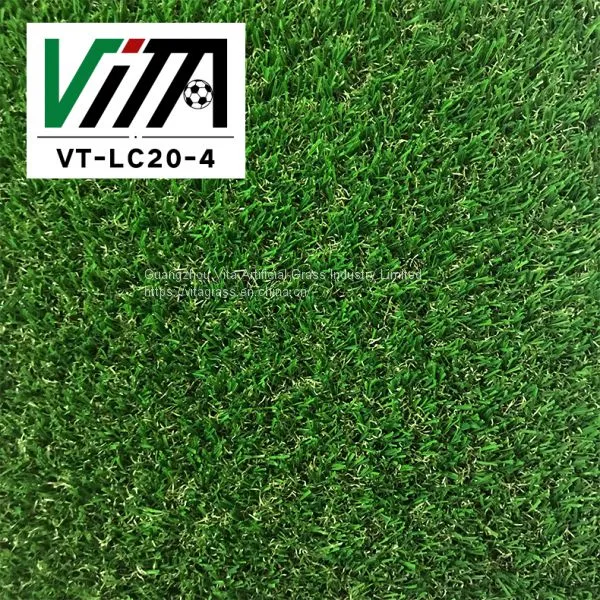
20mm Synthetic Floor Carpet Home Garden Artificial Grass VT-LC20-4US$ 6.5 - 6.8MOQ: 500 Square Meters
-
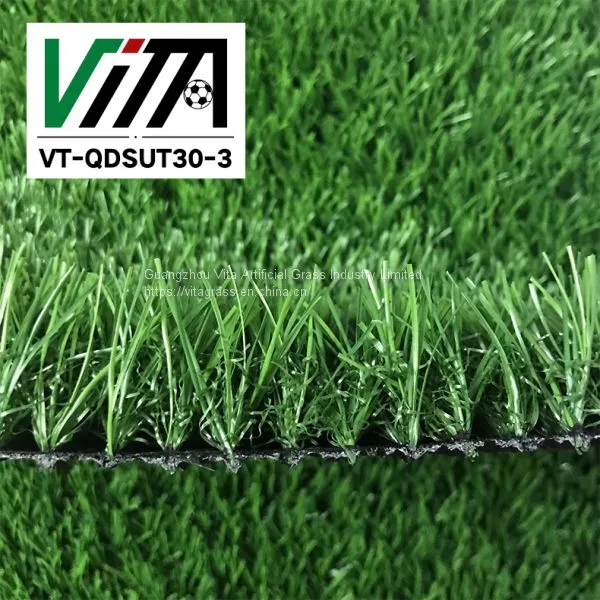
Artificial Grass 30mm Astro Garden Realistic Natural Turf Fake Lawn VT-QDSUT30-3US$ 6.8 - 7.5MOQ: 500 Square Meters
-
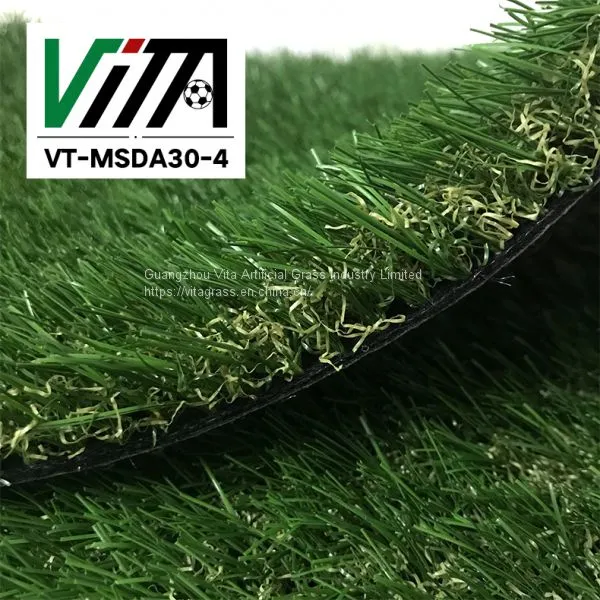
PP+PE Artificial Grass Waterproof Landscape Lawn for Home Garden Grass VT-MSDA30-4US$ 6.5 - 6.8MOQ: 500 Square Meters
-
VITAGRASS Colorful Artificial Grass Wholesale | UV Resistant Landscape Turf Factory in GuangzhouUS$ 6.5 - 6.8MOQ: 500 Square Meters
-
Padel Tennis Court Manufacturer Paddle Court Supplier Buy Panoramic Outdoor Padel Court Cancha De Padel FactoryNegotiableMOQ: 200 Square Meters
-
Vita Grass 50mm Professional Football Artificial Grass Synthetic Turf Soccer Fields Factory Direct Supply From GuangzhouNegotiableMOQ: 500 Square Meters
-
Guangzhou Manufacturer 30mm Non Infill Football Grass Synthetic Turf for Soccer PitchUS$ 8.5MOQ: 500 Square Meters
-
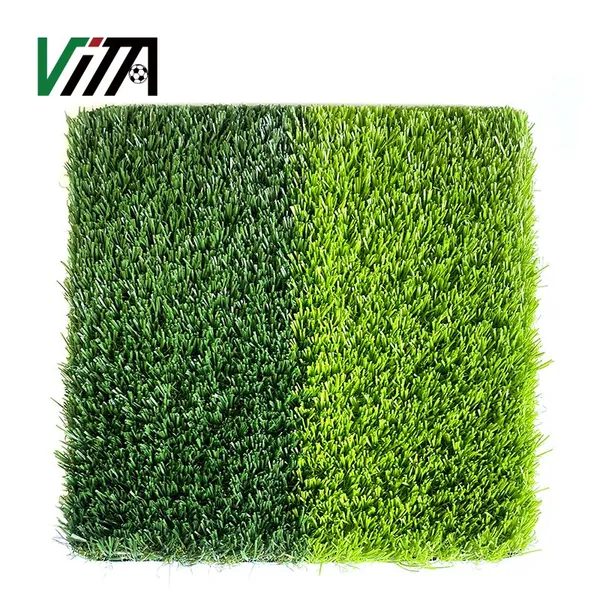
VITA GRASS 30mm Non Infill Football Artificial Grass | Soccer Turf Manufacturer in GuangzhouUS$ 10MOQ: 500 Square Meters
-
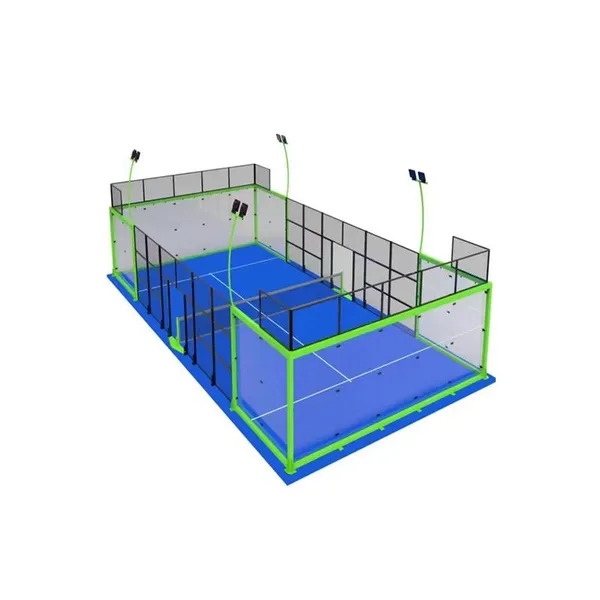
Padel Tennis Court Manufacturer Paddle Court Supplier Buy Panoramic Outdoor Padel Court Cancha De Padel FactoryNegotiableMOQ: 200 Square Meters
-
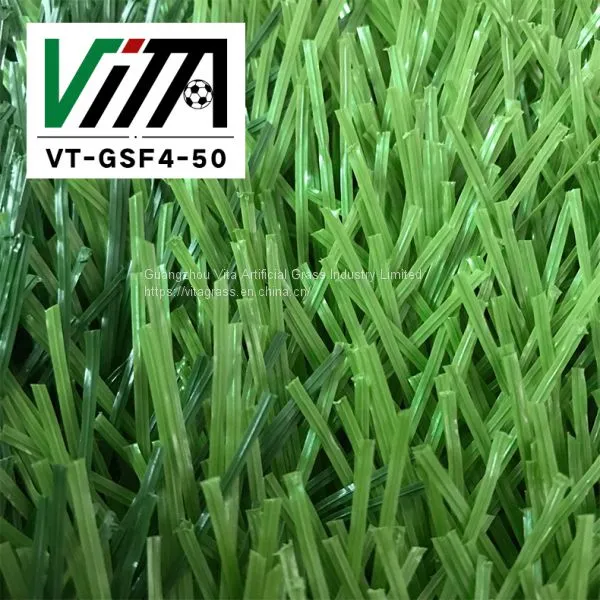
Cost-effective Football Field Artificial Grass Soccer Zacate Artificial VT-GSF4-50US$ 5.8 - 6.6MOQ: 500 Square Meters
-
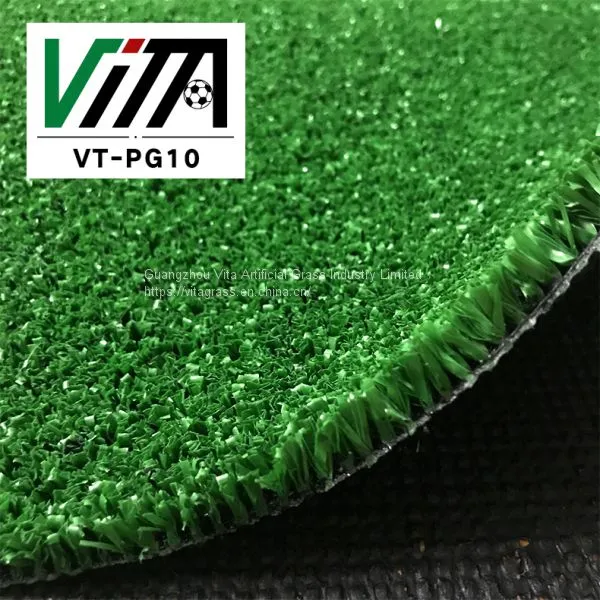
Good Quality Tennis Court Artificial Grass Guangzhou Vita Grass Factory VT-PG10US$ 7.5 - 7.8MOQ: 500 Square Meters
-
High Quality Long Life Soccer And Football Artificial Synthetic Grass VT-MST50US$ 7.2 - 7.5MOQ: 500 Square Meters
-
Vita Grass 50mm Infill Football Artificial Grass Synthetic Turf Soccer Fields in GuangzhouNegotiableMOQ: 500 Square Meters
-
Sand-free Synthetic Turf For Indoor Soccer Fields SGS/CE/ISO9001 VT-MCPRO30US$ 11 - 12MOQ: 500 Square Meters
-
Vita Non Infill Fake Grass Playground Artificial Turf Grass VT-BMTDS30US$ 13 - 15MOQ: 500 Square Meters
-
Five Man Size Football Pitch Artificial Turf /Soccer Synthetic Grass VT-GSF50US$ 6.8 - 7MOQ: 500 Square Meters
-
Vita Artificial Grass Holland Imported Yarn Soccer Field VT-MSTC25US$ 14 - 16MOQ: 500 Square Meters
-
3/8 Inch Green Landscaping Artificial Turf Fake Grass VT-QDSUT25-3US$ 6 - 6.5MOQ: 500 Square Meters