 Business License
How Much Does an Artificial Football Field Cost?
How Much Does an Artificial Football Field Cost?
Building an artificial football field is a long-term investment that offers years of consistent performance, reduced maintenance, and excellent playability. One of the first questions project owners ask is:
"How much does an artificial football field cost?"
The answer depends on several factors, including field size, turf quality, base construction, shock pad requirements, installation costs, and accessories. In this guide, we'll explain every cost component so you can estimate your project budget accurately.
Average Artificial Football Field Cost
The total investment for an artificial football field generally ranges from:
| Field Type | Estimated Total Cost |
|---|---|
| 5-a-side Football Field | USD $10,000–20,000 |
| 7-a-side Football Field | USD $25,000–40,000 |
| 11-a-side Football Field | USD $50,000–70,000+ |
Prices vary depending on country, labor costs, infrastructure requirements, and turf specifications.
Main Cost Components
1. Artificial Football Turf
The turf itself usually represents 25–40% of the total project budget.
Pricing depends on:
Pile height (40mm, 50mm, 60mm)
Yarn material (PE monofilament)
Dtex
Stitch rate
Density
UV resistance
Backing system (PU or SBR Latex)
Higher-density turf with premium yarn provides better durability and a longer service life but comes at a higher price.
2. Ground Base Construction
A quality base is essential for drainage and field stability.
Typical base layers include:
Excavation
Compacted soil
Crushed stone
Gravel layer
Fine stone leveling
Drainage system
Depending on site conditions, base construction can account for 30–50% of the total investment.
Poor base preparation often leads to uneven surfaces and drainage problems, making it one of the most important parts of the project.
3. Shock Pad (Optional but Recommended)
Shock pads improve:
Player safety
Shock absorption
Ball performance
Comfort
Turf lifespan
Many FIFA-quality football fields include a shock pad beneath the artificial grass.
Common thicknesses:
8mm
10mm
12mm
20mm
Although adding a shock pad increases the initial investment, it can significantly improve long-term performance.
4. Infill Materials
Traditional football turf usually requires:
Silica sand
Rubber granules (SBR, EPDM, or TPE)
Typical quantities:
Silica Sand: 20–30 kg/m²
Rubber Granules: 5–8 kg/m²
The type of infill selected affects both installation cost and playing characteristics.
5. Installation Costs
Professional installation includes:
Turf laying
Seam joining
Line marking
Infill spreading
Power brushing
Final inspection
Labor costs vary greatly between countries.
Hiring experienced installers helps ensure proper field performance and reduces future repair costs.
6. Accessories
Additional project costs may include:
Football goals
Goal netting
Fence systems
Lighting
Benches
Drainage channels
Ball-stop fencing
Maintenance equipment
These accessories should be included when preparing the project budget.
What Affects Artificial Football Field Cost?
Several factors influence the final price.
Field Size
Larger fields naturally require:
More turf
More infill
More labor
More groundwork
Turf Specification
Premium football turf typically includes:
Higher Dtex
Higher density
Better UV resistance
Stronger backing
Longer warranty
These features increase durability while reducing replacement costs over time.
Installation Location
Project location affects:
Shipping costs
Import duties
Local labor rates
Material availability
International projects should also consider customs clearance and inland transportation.
Drainage Requirements
Areas with heavy rainfall often require more advanced drainage systems, increasing construction costs but improving field longevity.
Is Artificial Turf Worth the Investment?
Although artificial football fields have a higher upfront cost than natural grass, they usually offer a much lower lifetime maintenance cost.
Benefits include:
No watering
No mowing
No fertilizing
No reseeding
Year-round usability
Excellent drainage
Consistent playing surface
Long service life (typically 8–10 years or more with proper maintenance)
For schools, sports clubs, municipalities, and commercial sports centers, artificial turf often delivers a better long-term return on investment.
Tips to Reduce Your Project Cost
You can optimize your budget by:
Choosing the right turf specification for your intended use
Purchasing directly from an experienced manufacturer
Planning shipping efficiently
Preparing the site before turf delivery
Using professional installation teams
Selecting durable materials that reduce future maintenance expenses
Working directly with a factory also eliminates intermediary costs while ensuring product consistency.
Why Choose VitaGrass?
VitaGrass is a professional artificial grass manufacturer supplying football turf solutions to customers around the world.
Our advantages include:
Premium PE monofilament football turf
FIFA-standard turf systems
PU and Latex backing options
UV-resistant materials
OEM & ODM services
Fast production and global shipping
Competitive factory-direct pricing
Professional technical support for sports field projects
Whether you're building a community football pitch, school playground, training center, or professional stadium, VitaGrass can recommend the most cost-effective turf solution for your project.
Conclusion
The cost of an artificial football field depends on much more than just the turf itself. Base construction, shock pads, installation, infill materials, accessories, and local labor all contribute to the total investment.
By understanding each cost component and working with an experienced manufacturer like VitaGrass, you can build a durable, high-performance football field that delivers excellent value for many years.
If you're planning a football turf project, contact VitaGrass today for a customized quotation based on your field size, performance requirements, and budget.
Recently Posted
-
Artificial Football Field Project in Kenya | Premium Synthetic Turf by VITAGRASS
August 5, 20267-a-side Artificial Football Field Project in KenyaAs football continues to grow in popularity across Kenya, the demand for high-q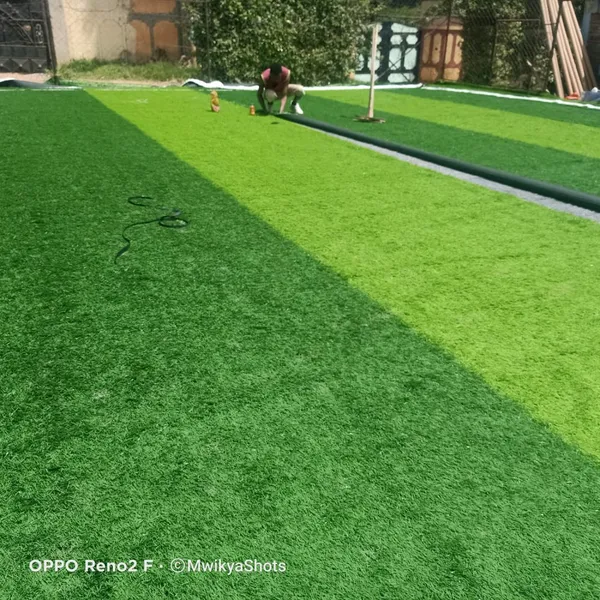 Read More
 -
Advantages of Artificial Turf for Sports Fields | Durable Sports Turf Solutions | VITAGRASS
July 28, 2026Advantages of Artificial Turf for Sports FieldsAs the demand for high-quality sports facilities continues to grow, artificial turf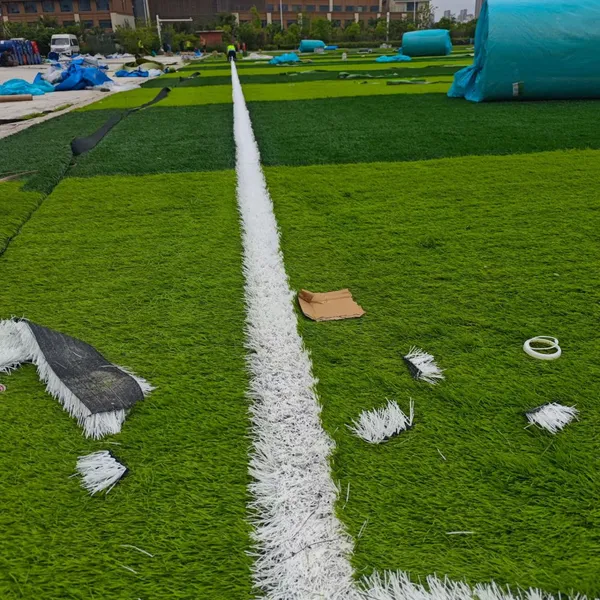 Read More
 -
How Long Does Artificial Turf Last? A Complete Guide to Lifespan, Maintenance, and Value
July 16, 2026How Long Does Artificial Turf Last?Artificial turf has become one of the most popular alternatives to natural grass for football f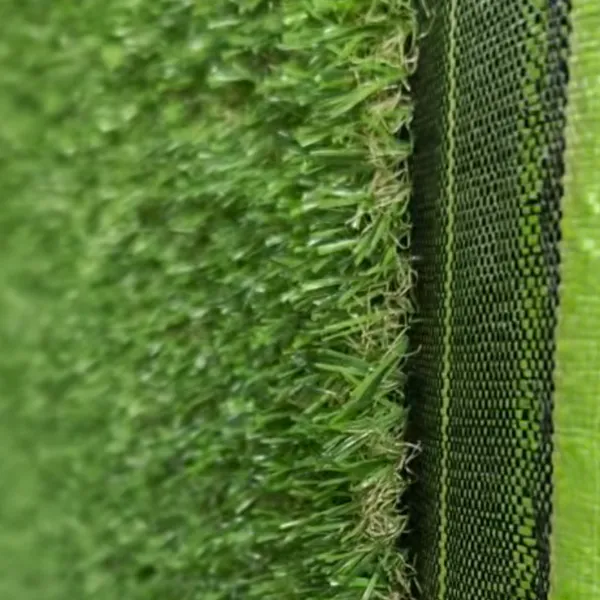 Read More
 -
School Football Field Artificial Turf Project: A Complete Guide for Safe, Durable & High-Performance
July 8, 2026School Football Field Artificial Turf Project: Building Safe and Long-Lasting Sports FacilitiesSchool football fields play an impo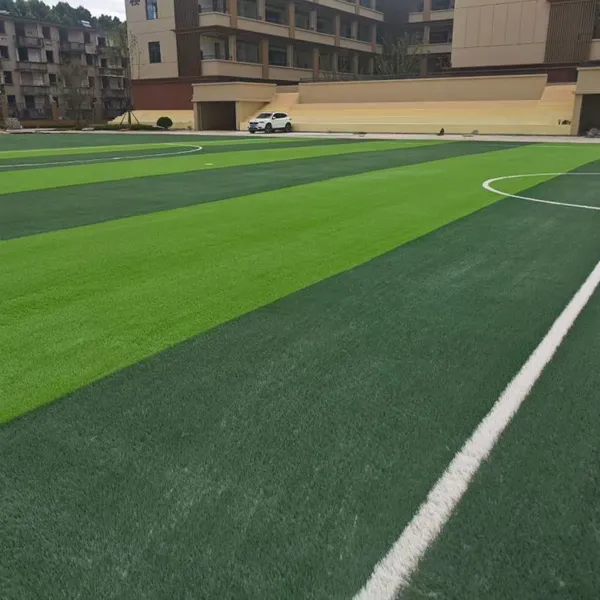 Read More

Contact Us
Recommended Products
-
 Colorful Artificial Grass for Playground & Landscape | VITAGRASS China ManufacturerUS$ 6.5 - 6.8MOQ: 500 Square Meters
 -
VITAGRASS Premium 30mm Non Infill Soccer Artificial Turf for Football PitchUS$ 8.5MOQ: 500 Square Meters
-
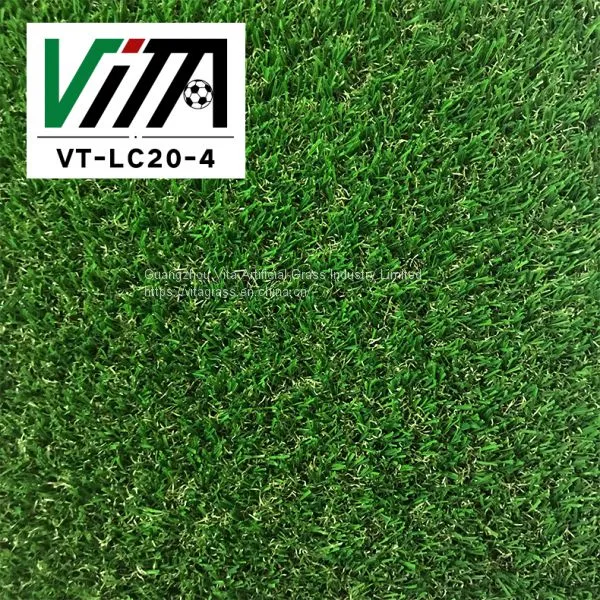
20mm Synthetic Floor Carpet Home Garden Artificial Grass VT-LC20-4US$ 6.5 - 6.8MOQ: 500 Square Meters
-
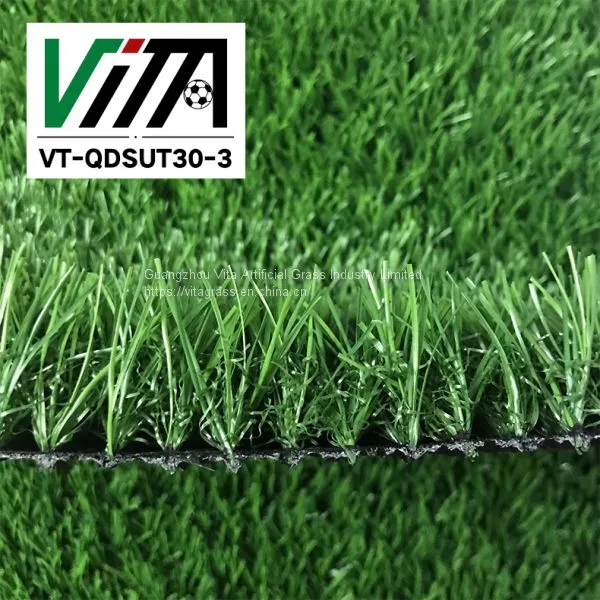
Artificial Grass 30mm Astro Garden Realistic Natural Turf Fake Lawn VT-QDSUT30-3US$ 6.8 - 7.5MOQ: 500 Square Meters
-
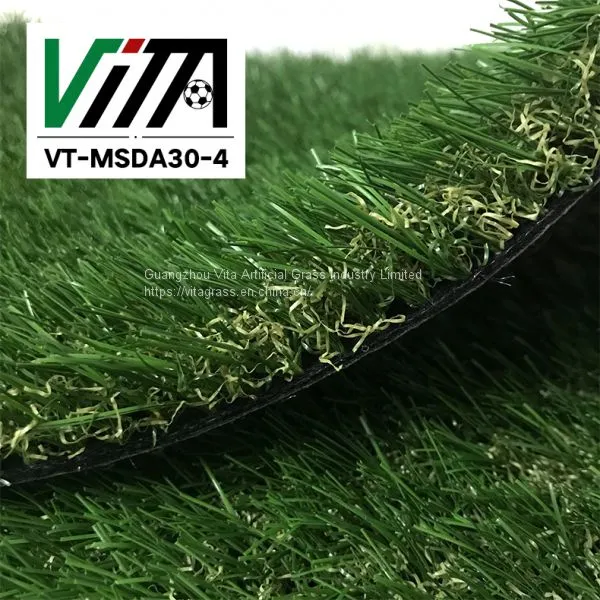
PP+PE Artificial Grass Waterproof Landscape Lawn for Home Garden Grass VT-MSDA30-4US$ 6.5 - 6.8MOQ: 500 Square Meters
-
VITAGRASS Colorful Artificial Grass Wholesale | UV Resistant Landscape Turf Factory in GuangzhouUS$ 6.5 - 6.8MOQ: 500 Square Meters
-
Padel Tennis Court Manufacturer Paddle Court Supplier Buy Panoramic Outdoor Padel Court Cancha De Padel FactoryNegotiableMOQ: 200 Square Meters
-
Vita Grass 50mm Professional Football Artificial Grass Synthetic Turf Soccer Fields Factory Direct Supply From GuangzhouNegotiableMOQ: 500 Square Meters
-
Guangzhou Manufacturer 30mm Non Infill Football Grass Synthetic Turf for Soccer PitchUS$ 8.5MOQ: 500 Square Meters
-
VITA GRASS 30mm Non Infill Football Artificial Grass | Soccer Turf Manufacturer in GuangzhouUS$ 10MOQ: 500 Square Meters
-
Padel Tennis Court Manufacturer Paddle Court Supplier Buy Panoramic Outdoor Padel Court Cancha De Padel FactoryNegotiableMOQ: 200 Square Meters
-
Cost-effective Football Field Artificial Grass Soccer Zacate Artificial VT-GSF4-50US$ 5.8 - 6.6MOQ: 500 Square Meters
-
Good Quality Tennis Court Artificial Grass Guangzhou Vita Grass Factory VT-PG10US$ 7.5 - 7.8MOQ: 500 Square Meters
-
High Quality Long Life Soccer And Football Artificial Synthetic Grass VT-MST50US$ 7.2 - 7.5MOQ: 500 Square Meters
-
Vita Grass 50mm Infill Football Artificial Grass Synthetic Turf Soccer Fields in GuangzhouNegotiableMOQ: 500 Square Meters
-
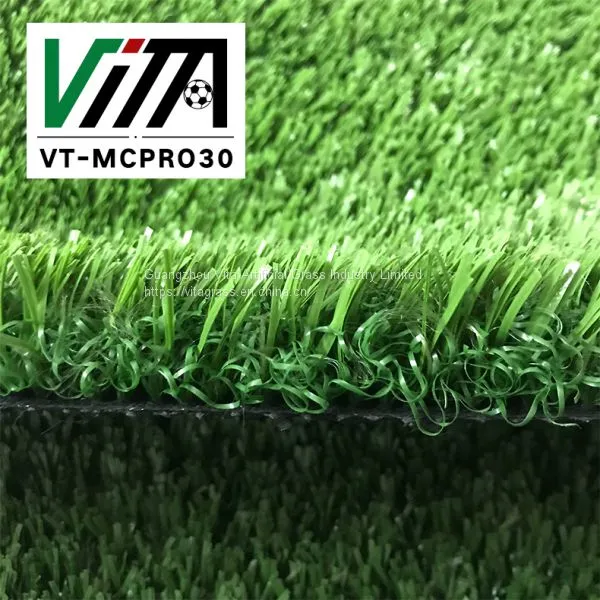
Sand-free Synthetic Turf For Indoor Soccer Fields SGS/CE/ISO9001 VT-MCPRO30US$ 11 - 12MOQ: 500 Square Meters
-
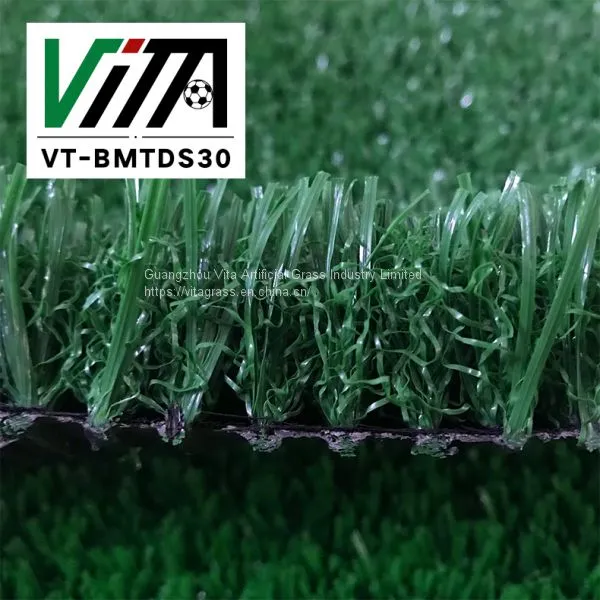
Vita Non Infill Fake Grass Playground Artificial Turf Grass VT-BMTDS30US$ 13 - 15MOQ: 500 Square Meters
-
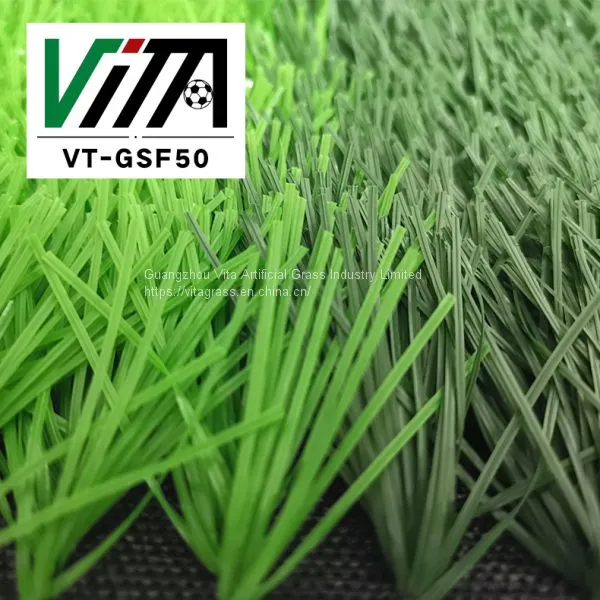
Five Man Size Football Pitch Artificial Turf /Soccer Synthetic Grass VT-GSF50US$ 6.8 - 7MOQ: 500 Square Meters
-
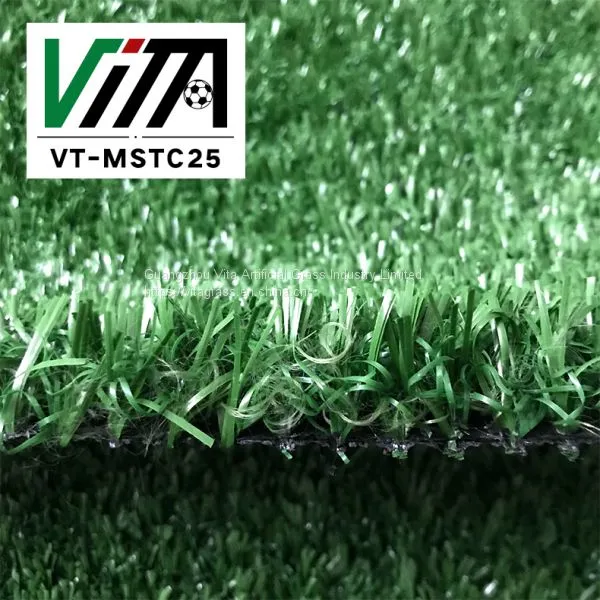
Vita Artificial Grass Holland Imported Yarn Soccer Field VT-MSTC25US$ 14 - 16MOQ: 500 Square Meters
-
3/8 Inch Green Landscaping Artificial Turf Fake Grass VT-QDSUT25-3US$ 6 - 6.5MOQ: 500 Square Meters