 Business License
How to Choose the Best Artificial Turf for Soccer | VitaGrass Buyer’s Guide
How to Choose the Best Artificial Turf for Soccer
Selecting the right artificial turf for a soccer field is one of the most important decisions for clubs, schools, contractors, and sports facility owners. The right surface improves player performance, enhances safety, reduces maintenance costs, and extends the lifespan of the pitch.
With so many options available, understanding the key factors can help you invest in the best solution for your project. In this guide, we explain how to choose the best artificial turf for soccer and what features matter most.
1. Determine the Purpose of the Field
Before choosing a turf system, consider how the field will be used.
Professional football stadiums
Community sports centers
School playgrounds
Football academies
Training grounds
Multi-purpose sports facilities
A field with heavy daily usage generally requires higher-density turf with superior wear resistance compared to a recreational facility.
2. Choose the Right Pile Height
Pile height significantly affects ball behavior and player comfort.
| Application | Recommended Pile Height |
|---|---|
| Professional football | 50–60 mm |
| Amateur clubs | 40–50 mm |
| Training facilities | 40–50 mm |
| Multi-sport fields | 30–40 mm |
For FIFA-style performance, many projects choose turf between 50 mm and 60 mm, combined with suitable infill materials.
3. Consider Yarn Shape and Material
The quality of the grass yarn determines durability and appearance.
Common yarn shapes include:
Monofilament
Diamond
S-shape
Spine-shaped
W-shape
Hybrid yarn systems
High-quality PE (polyethylene) yarn offers excellent softness and resilience, while advanced profiles improve recovery after repeated foot traffic.
4. Evaluate Turf Density
Density refers to the number of stitches and fibers per square meter.
Higher-density turf generally provides:
Better ball support
Improved durability
Fuller appearance
Longer service life
However, density should be balanced with pile height and intended use to achieve optimal performance.
5. Decide Between Infill and Non-Infill Systems
Traditional football fields often use silica sand and rubber granule infill to stabilize fibers and improve shock absorption.
Recently, many clubs have shown interest in non-infill soccer turf, which offers:
Lower maintenance
Cleaner playing conditions
Reduced rubber migration
Faster installation
Environmentally friendly operation
The ideal choice depends on your budget, climate, and project requirements.
6. Check the Backing System
The backing holds the grass fibers securely in place.
Two common options are:
Latex Backing
Cost-effective
Flexible
Suitable for many standard installations
PU Backing
Superior water resistance
Excellent dimensional stability
Stronger tuft lock
Better performance in extreme climates
A high-quality backing contributes significantly to the turf’s long-term durability.
7. Prioritize Player Safety
Safety should always come first. Quality soccer turf should provide:
Reliable shock absorption
Stable footing
Good traction
Reduced risk of slipping
Consistent ball roll and bounce
An appropriate underpad or shock pad can further improve impact protection.
8. Consider UV Resistance and Climate
Outdoor football fields are exposed to sunlight, rain, and changing temperatures.
Choose artificial turf with:
UV-resistant fibers
Excellent drainage capability
Fade-resistant pigments
Weather-resistant backing
These features help maintain performance and appearance over many years.
9. Compare Maintenance Requirements
Compared with natural grass, artificial turf requires significantly less upkeep.
Typical maintenance includes:
Regular brushing
Debris removal
Surface inspection
Occasional infill redistribution (for infill systems)
Cleaning drainage channels
Selecting premium materials can further reduce maintenance costs over the field’s lifetime.
10. Work with an Experienced Manufacturer
The manufacturer plays a critical role in product quality and project success.
Look for suppliers that offer:
Consistent manufacturing standards
Customizable specifications
International export experience
Technical support
Reliable quality control
Long-term product warranties
Why Choose VitaGrass Soccer Turf?
At VitaGrass, we provide high-performance artificial turf solutions designed for football fields around the world.
Our advantages include:
Premium PE monofilament yarn technology
Infill and non-infill soccer turf options
Excellent UV resistance and durability
Custom pile heights and stitch rates
Professional drainage performance
OEM and ODM manufacturing services
Global export experience across sports projects
Whether you're building a professional stadium or a local training ground, VitaGrass can help deliver a reliable and cost-effective artificial grass solution.
Final Thoughts
Choosing the best artificial turf for soccer involves more than selecting a grass color or pile height. Factors such as yarn quality, density, backing, safety, drainage, maintenance, and intended use all contribute to long-term performance.
By partnering with an experienced manufacturer like VitaGrass, you can ensure your football pitch provides outstanding playability, durability, and value for years to come.
Recently Posted
-
Artificial Football Field Project in Kenya | Premium Synthetic Turf by VITAGRASS
August 5, 20267-a-side Artificial Football Field Project in KenyaAs football continues to grow in popularity across Kenya, the demand for high-q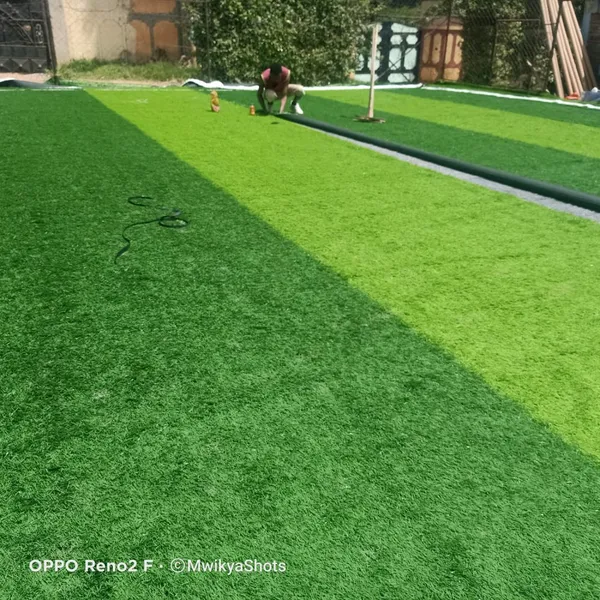 Read More
 -
Advantages of Artificial Turf for Sports Fields | Durable Sports Turf Solutions | VITAGRASS
July 28, 2026Advantages of Artificial Turf for Sports FieldsAs the demand for high-quality sports facilities continues to grow, artificial turf Read More
 -
How Much Does an Artificial Football Field Cost?
July 21, 2026How Much Does an Artificial Football Field Cost?Building an artificial football field is a long-term investment that offers years Read More
 -
How Long Does Artificial Turf Last? A Complete Guide to Lifespan, Maintenance, and Value
July 16, 2026How Long Does Artificial Turf Last?Artificial turf has become one of the most popular alternatives to natural grass for football f Read More

Contact Us
Recommended Products
-
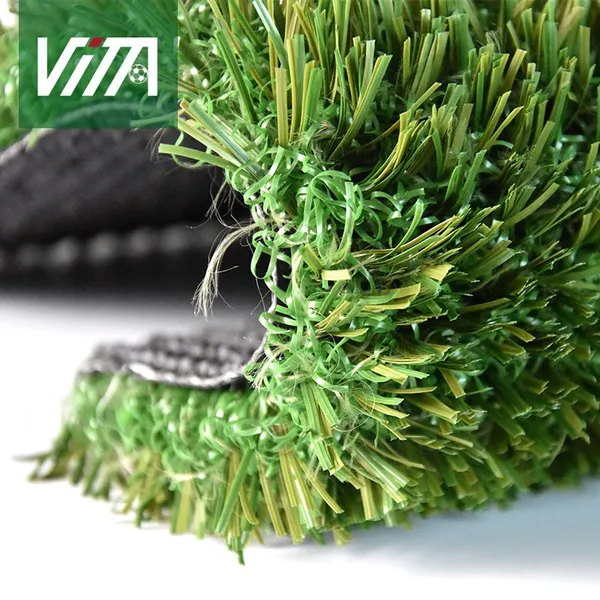
 Colorful Artificial Grass for Playground & Landscape | VITAGRASS China ManufacturerUS$ 6.5 - 6.8MOQ: 500 Square Meters
 -
VITAGRASS Premium 30mm Non Infill Soccer Artificial Turf for Football PitchUS$ 8.5MOQ: 500 Square Meters
-
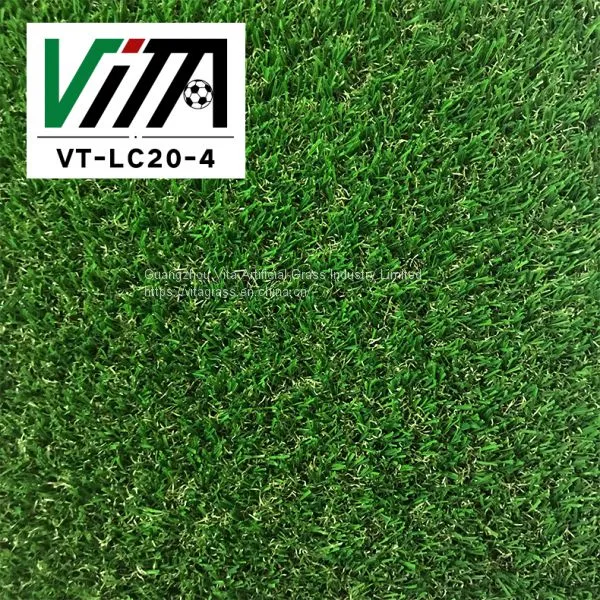
20mm Synthetic Floor Carpet Home Garden Artificial Grass VT-LC20-4US$ 6.5 - 6.8MOQ: 500 Square Meters
-
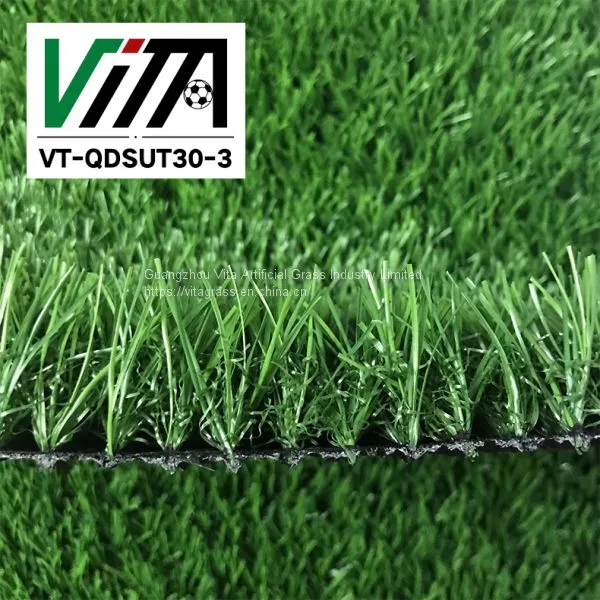
Artificial Grass 30mm Astro Garden Realistic Natural Turf Fake Lawn VT-QDSUT30-3US$ 6.8 - 7.5MOQ: 500 Square Meters
-
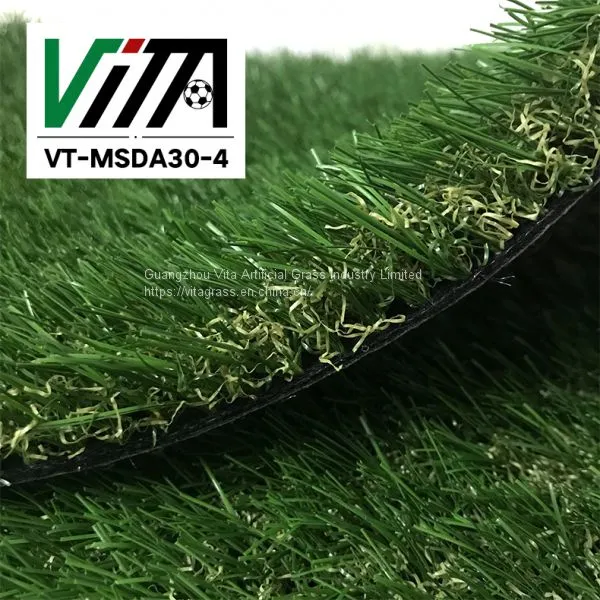
PP+PE Artificial Grass Waterproof Landscape Lawn for Home Garden Grass VT-MSDA30-4US$ 6.5 - 6.8MOQ: 500 Square Meters
-
VITAGRASS Colorful Artificial Grass Wholesale | UV Resistant Landscape Turf Factory in GuangzhouUS$ 6.5 - 6.8MOQ: 500 Square Meters
-
Padel Tennis Court Manufacturer Paddle Court Supplier Buy Panoramic Outdoor Padel Court Cancha De Padel FactoryNegotiableMOQ: 200 Square Meters
-
Vita Grass 50mm Professional Football Artificial Grass Synthetic Turf Soccer Fields Factory Direct Supply From GuangzhouNegotiableMOQ: 500 Square Meters
-
Guangzhou Manufacturer 30mm Non Infill Football Grass Synthetic Turf for Soccer PitchUS$ 8.5MOQ: 500 Square Meters
-
VITA GRASS 30mm Non Infill Football Artificial Grass | Soccer Turf Manufacturer in GuangzhouUS$ 10MOQ: 500 Square Meters
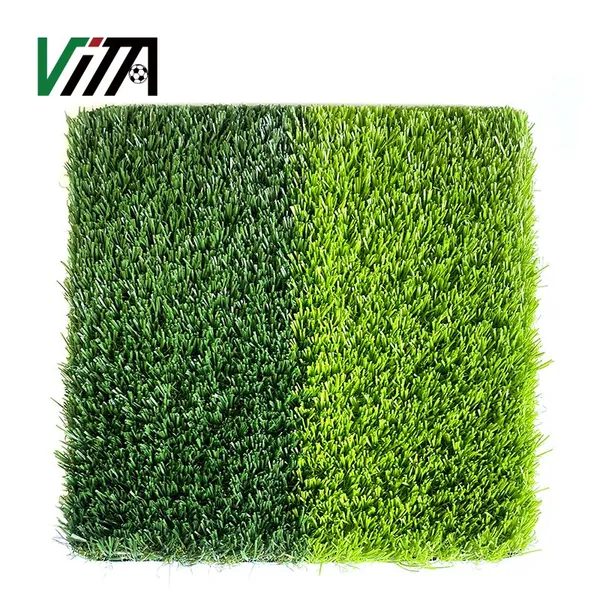
-
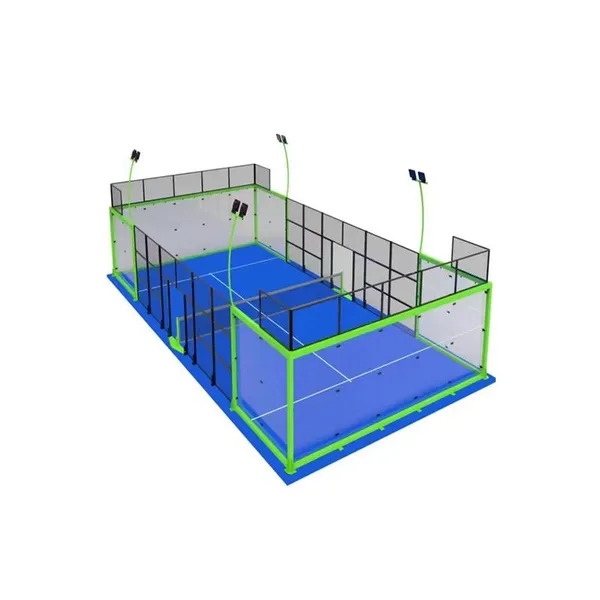
Padel Tennis Court Manufacturer Paddle Court Supplier Buy Panoramic Outdoor Padel Court Cancha De Padel FactoryNegotiableMOQ: 200 Square Meters
-
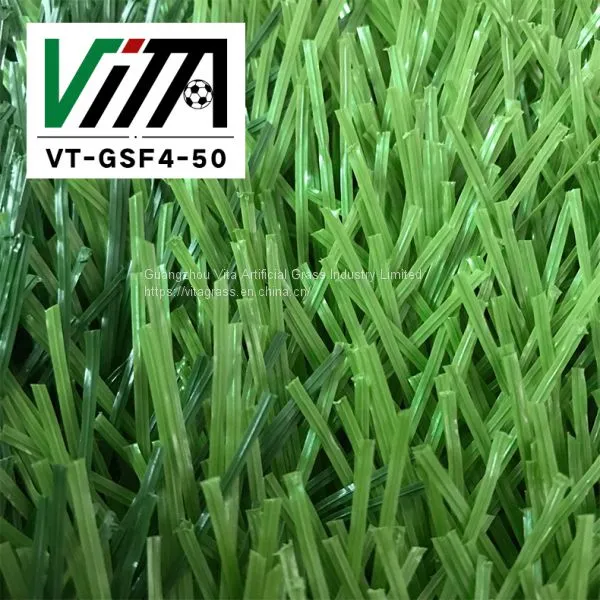
Cost-effective Football Field Artificial Grass Soccer Zacate Artificial VT-GSF4-50US$ 5.8 - 6.6MOQ: 500 Square Meters
-
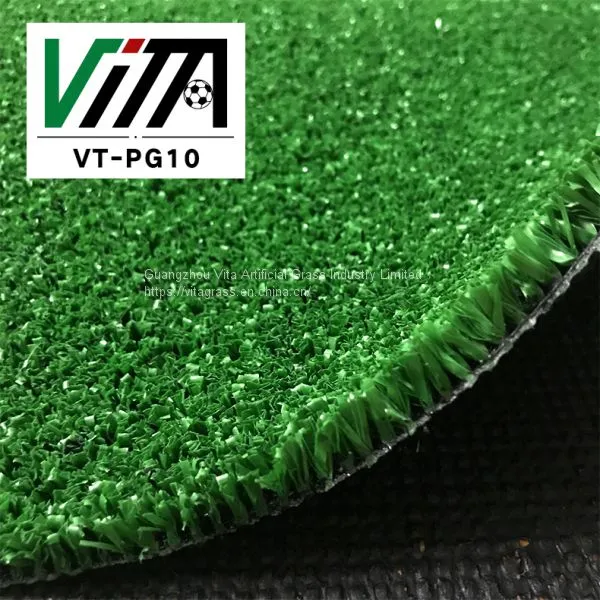
Good Quality Tennis Court Artificial Grass Guangzhou Vita Grass Factory VT-PG10US$ 7.5 - 7.8MOQ: 500 Square Meters
-
High Quality Long Life Soccer And Football Artificial Synthetic Grass VT-MST50US$ 7.2 - 7.5MOQ: 500 Square Meters
-
Vita Grass 50mm Infill Football Artificial Grass Synthetic Turf Soccer Fields in GuangzhouNegotiableMOQ: 500 Square Meters
-
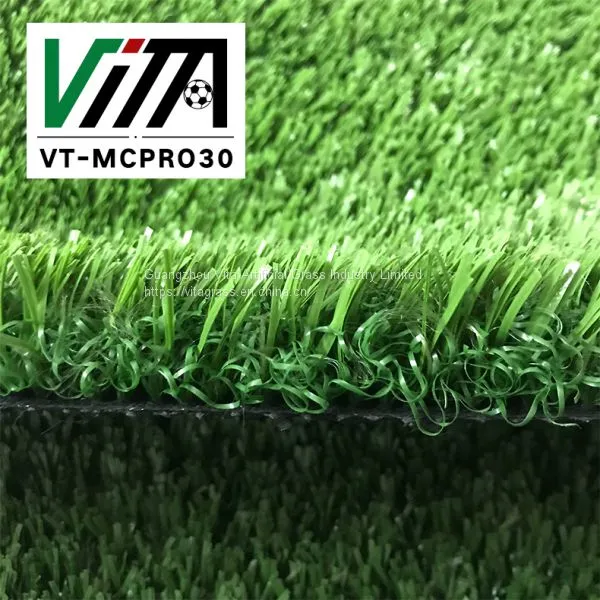
Sand-free Synthetic Turf For Indoor Soccer Fields SGS/CE/ISO9001 VT-MCPRO30US$ 11 - 12MOQ: 500 Square Meters
-
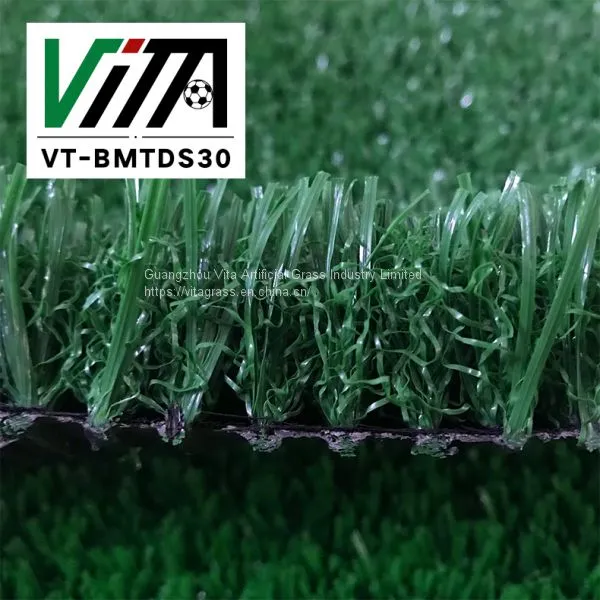
Vita Non Infill Fake Grass Playground Artificial Turf Grass VT-BMTDS30US$ 13 - 15MOQ: 500 Square Meters
-
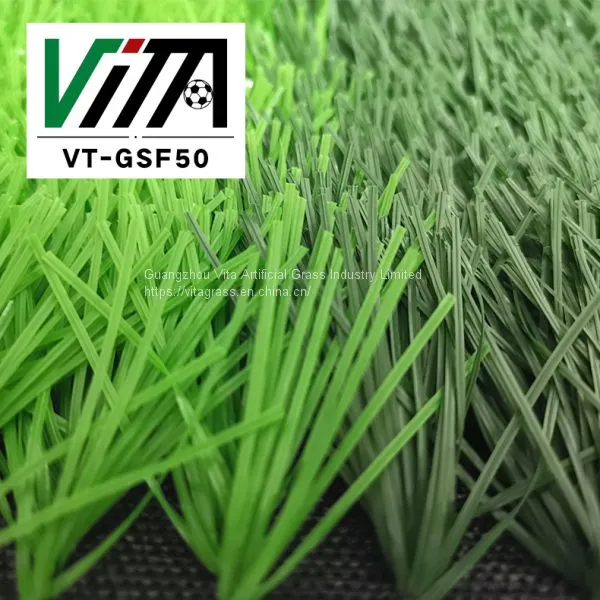
Five Man Size Football Pitch Artificial Turf /Soccer Synthetic Grass VT-GSF50US$ 6.8 - 7MOQ: 500 Square Meters
-
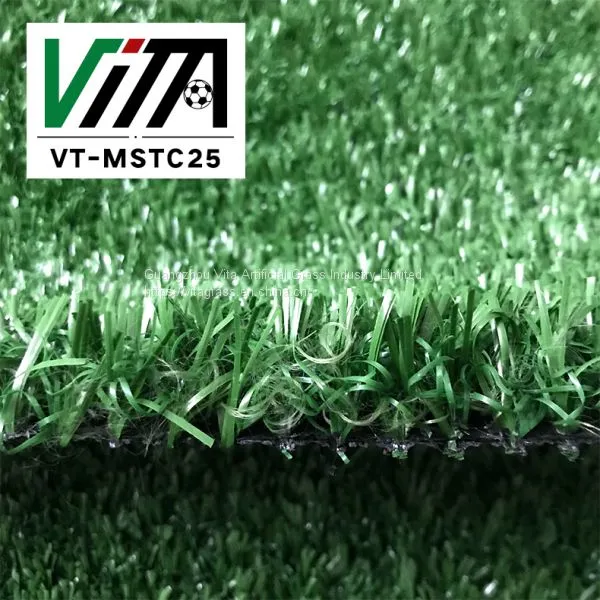
Vita Artificial Grass Holland Imported Yarn Soccer Field VT-MSTC25US$ 14 - 16MOQ: 500 Square Meters
-
3/8 Inch Green Landscaping Artificial Turf Fake Grass VT-QDSUT25-3US$ 6 - 6.5MOQ: 500 Square Meters